In an increasingly globalized and technology-driven economy, consumers place growing value on authenticity, origin and quality. As a result, differentiation based on these factors has become a strategic element for both companies and producers. In this context, Protected Geographical Indications (PGIs) have established themselves as a key tool for strengthening the competitive positioning of products linked to a specific territory.
Until now, the European system of Geographical Indications mainly focused on agri-food products, where the economic results have been particularly positive. In 2023, products with PGI status in the European Union reached an estimated value of €80 billion, while in Spain the sector grew by 26%, exceeding €3 billion, with wine, olive oil and meat products standing out. These figures highlight the economic impact of protecting and promoting a product’s origin.
New regulation: extension to craft and industrial products
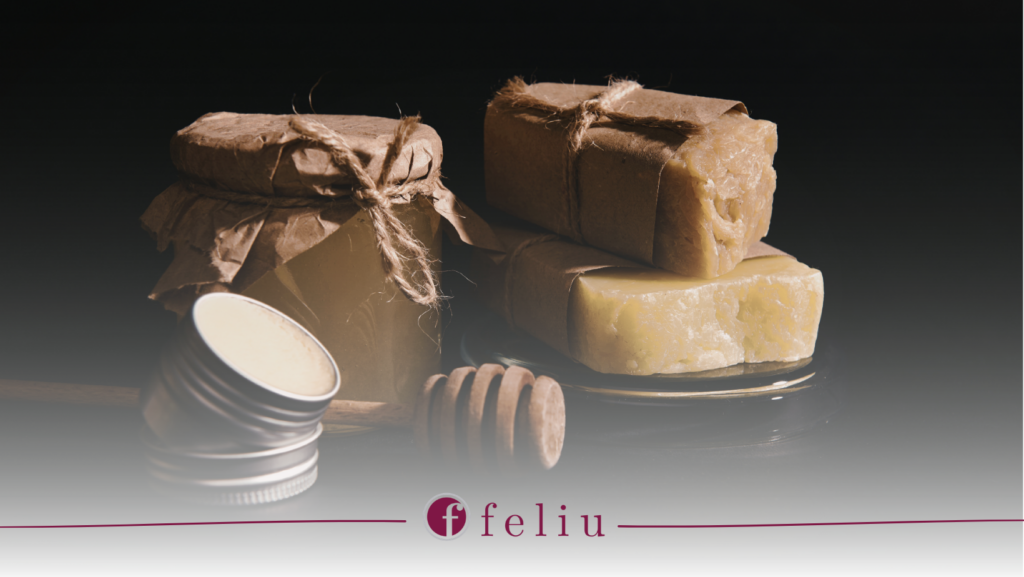
On 1 December 2025, the European Union decided to extend the scope of Geographical Indication protection to craft and industrial products. This allows groups of producers to register the name of their products as a Geographical Indication for Craft and Industrial Products (GICIP) under a common legal framework recognized across all Member States.
This measure primarily aims to protect product names from imitations and misuse, formally recognize the link between a product and its territory of origin, and preserve the traditional techniques and specific know-how that make these products unique. It also establishes a harmonized protection system across the EU internal market, providing greater legal certainty and visibility.
Strategic advantages for businesses
Beyond official recognition, this system represents a genuine opportunity for companies to strengthen their market position. Obtaining a PGI or GICIP can provide several advantages, including:
- Differentiating products in increasingly saturated and competitive markets through an official label that conveys trust, quality and authenticity.
- Enhancing reputation and brand value, increasing credibility among customers and distributors.
- Protecting products against imitations, unfair competition and other practices that could negatively affect their image.
- Opening access to new markets at both national and international levels.
- Supporting sustainable development and promoting local economies by preserving traditional skills and specialized know-how.
Requirements and application procedure
To obtain registration as a PGI or GICIP, applicants must prepare a document clearly explaining what makes the product unique and why it is linked to its territory. This typically includes:
- Demonstrating the connection between the product and its geographical origin.
- Describing its technical characteristics and quality standards.
- Explaining the production process.
- Providing evidence of the product’s uniqueness and the reputation it has built over time.
This process requires coordination and collaboration among producers, as well as careful planning to ensure the application is robust and meets all legal requirements.
An opportunity to strengthen market positioning
The expansion of the Geographical Indication system represents a significant opportunity for craft and industrial sectors seeking to protect their identity, reinforce their distinctive value and compete more effectively in increasingly demanding global markets.
However, proper planning and structuring of the registration process will be essential in order to fully leverage the potential of this new form of protection.